

Updated June 3, 2026
We are huge advocates of hiring a Tampa Bay wedding planner.
Since most couples have never planned a large event beyond maybe a birthday party or baby shower, they don’t realize the scope of what it takes to make a wedding day run smoothly and be enjoyable.
Those who understand the importance of hiring a professional wedding planner (trust us, it’s an investment you will not regret) often get confused about the role and responsibilities of the venue’s coordinator versus hiring your own wedding planner.
“If you’re trying to decide whether or not you need a wedding planner since your venue offers an in-house coordinator, there is quite a difference between those two. There are many venue in-house coordinators who do a great job managing the venue, but it isn’t their job to assist you with all the details, etiquette, timelines, etc. that go along with planning your wedding,” Tammy Waterman, Master Wedding Planner and owner of Special Moments Event Planning, explains. “When in doubt, just ask them what services they will be providing for you.”
To provide advice on the roles of your wedding planner versus venue coordinator, we’ve enlisted our preferred wedding pros to share their insight.
What Are the Differences Between a Wedding Planner and a Venue Coordinator?
“A wedding planner manages your full event through and through. We manage your budget, help with vendor selection, review all your contracts, create a detailed timeline, remain in contact with your full vendor team, and more. The venue coordinator’s main focus is that the venue is prepped and ready on the day of the event. If any items are being used from the venue’s inventory, they make sure their team knows what is being utilized and that it is in place the day of for the other vendors to come in and set the space. On top of inventory items, they help with anything related to food and beverage being provided through the venue. Both roles are valuable, and they work best when they work together, but they serve two completely different purposes. A venue coordinator keeps the venue running. A wedding planner keeps your wedding running. If you want someone in your corner from the moment you get engaged to the moment you leave your reception, that’s what a planner is for.” -Jessica Ralph, Parties A’ La Carte
“As a venue coordinator, my role focuses on managing all aspects of the venue’s operations and logistics. This includes overseeing bookings, conducting tours, ensuring client plans align with venue policies, and coordinating setup for venue-specific elements. On event days, I troubleshoot venue-specific issues and act as the main point of contact for clients and vendors regarding the space. Unlike a wedding planner, who manages the overall event and vendor timelines, my role is specific to the venue, ensuring it operates smoothly and meets the needs of the event while adhering to established guidelines.” -Tiffany Haas, J.C. Newman Cigar Company
“A venue coordinator is primarily concerned with delivering the goods and services the venue offers. For example, if you are planning your wedding at a hotel, the venue coordinator would assist with catering selections, offer a list of included items like tables and chairs, and assist with the floor plan. Their focus is on your experience with the venue they represent, and they are not going to help you plan or coordinate all the details of your wedding. The planner, however, will work with the venue coordinator but will also assist with securing all of the other vendors you need and manage everything needed to create your event.” -Karen Cerboni, EventFull Weddings
“A venue coordinator makes sure everything runs smoothly at their venue, managing their space, staff, and logistics. They are an incredible resource, but their focus is on the venue itself rather than your full wedding day. A wedding planner, on the other hand, is your go-to from start to finish, helping design your vision, guiding decisions, coordinating all vendors, and managing every detail along the way. They are there to advocate for you and ensure everything flows seamlessly from beginning to end. At the very least, having a month of/day of coordinator is so important because venue coordinators do not handle setting up your personal decor, managing your full timeline, or tying together all the moving pieces. Having that dedicated support allows you, your family, and your bridal party to truly be present and enjoy the day!” -Katie Conner, Seashine Weddings & Events
“A professional wedding planner looks at the big picture. We work with the couple to break down their entire wedding budget based on their preferences and needs. The venue, catering, and rooms may be part of that, but it extends to more than a dozen planning areas. Too many times, a venue coordinator makes referrals to other vendors based on their experiences with them on-site. Venue coordinators don’t take the time to look at vendors who fit the couple’s budget or personality, as most are swamped with the volume of clients and don’t have the time or resources to research the best vendors for each couple’s needs. Additionally, if your wedding ceremony isn’t at the venue, it usually doesn’t involve the venue coordinator. The same is likely to apply to getting ready or room blocks; the venue coordinator only handles what happens at their location. A lot of essential services and moving parts of a wedding day can happen before you arrive at the wedding venue, and a professional wedding planner is there to oversee those pieces.” -Tammy Waterman, Special Moments Event Planning
“Wedding planners and venue coordinators serve different roles, but both are essential to a successful wedding day. Venue coordinators are employed by your venue and specialize in all things related to that space. They know the property inside and out and can answer any questions specific to it. However, their responsibilities typically don’t extend beyond the venue itself, meaning they won’t manage outside vendors, create timelines, or run your rehearsal. Wedding planners, on the other hand, handle all of those details and more. They oversee the full scope of your wedding and act as the main point of contact for vendors, family, and logistics. It’s common for couples to confuse the two, and that’s completely understandable.” -Melanie Eubanks, Lemon Drops Weddings & Events
“The easiest way to explain the difference between your venue coordinator and wedding planner is the responsibilities. As a venue coordinator, I am helping with everything on the venue side, which includes food, beverage, floor plan, linens, meal service, etc., whereas your wedding planner will help create your wedding timeline, manage contracted vendors, conduct the ceremony coordination, assist with setup and breakdown items, all while keeping the happy couple on schedule as well. Ultimately, we both have the same end goal, wanting each and every couple to have the absolute perfect day, so we work together to make sure every moving part goes off without a hitch!” -Grace Summa, The Birchwood
Research Tampa Bay Wedding Planners
We’ve done the research for you and curated a list of the best of the best: Tampa Bay wedding vendors who are professionally vetted and sure to help you create a magical event.
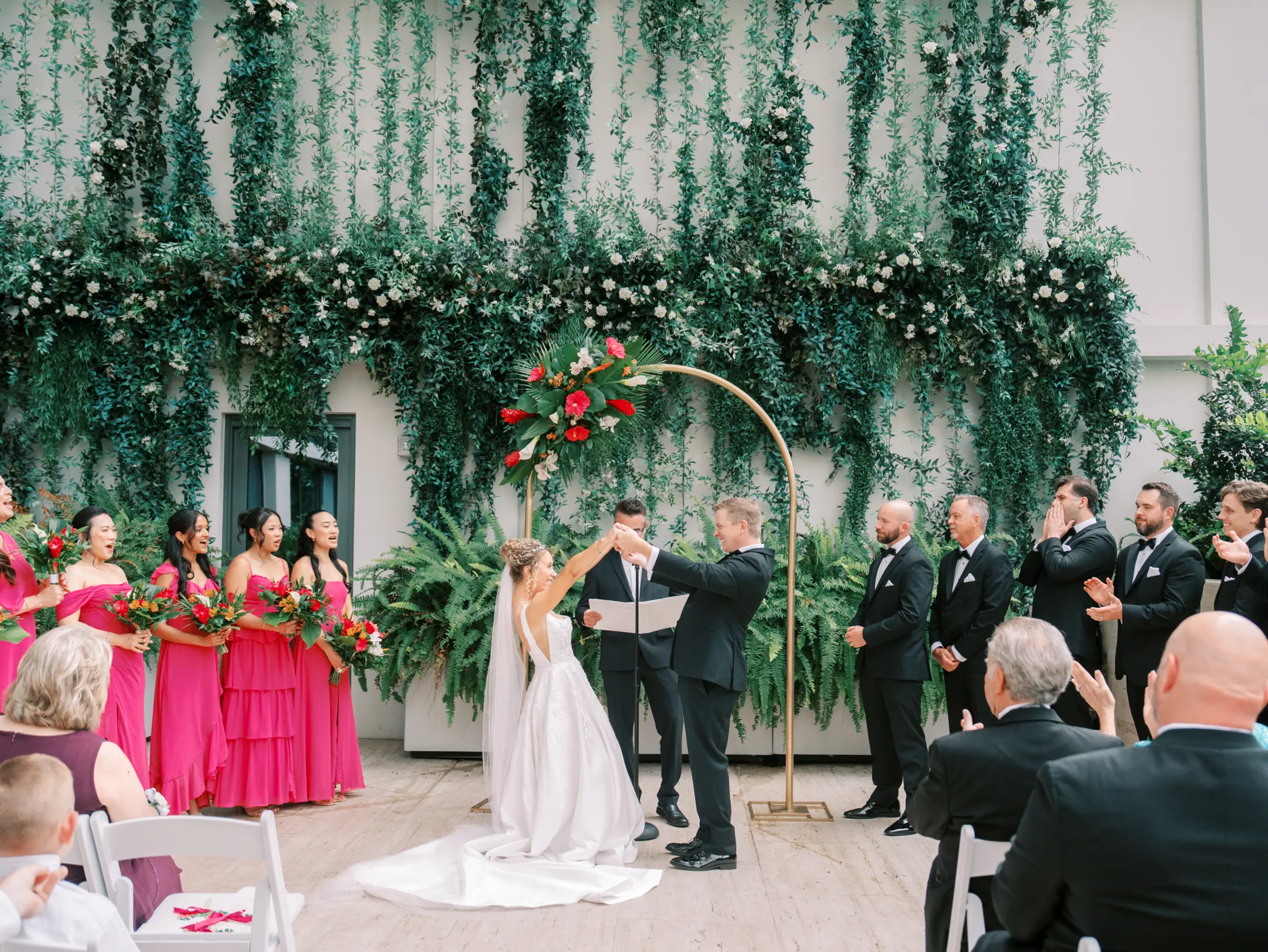

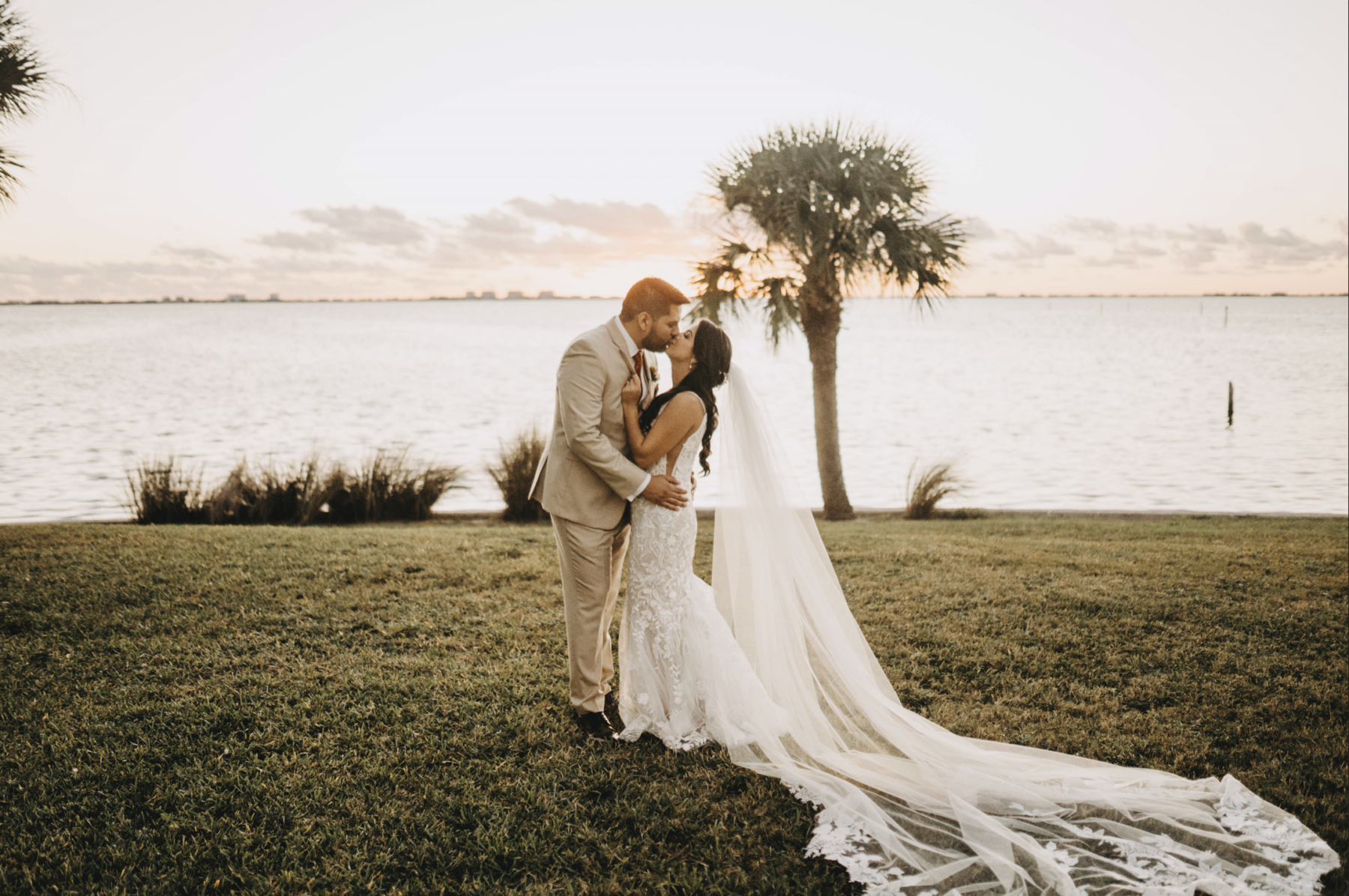

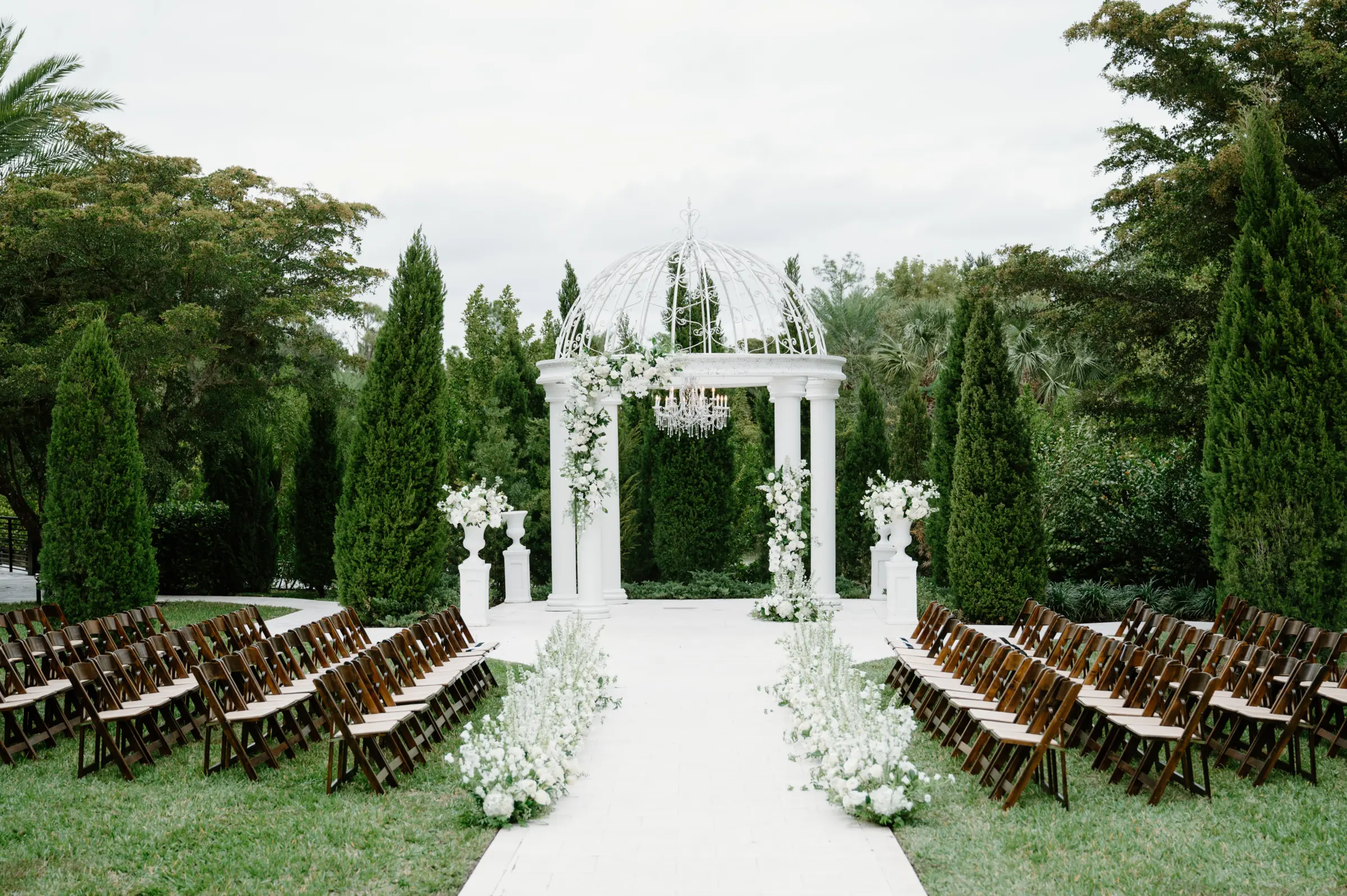
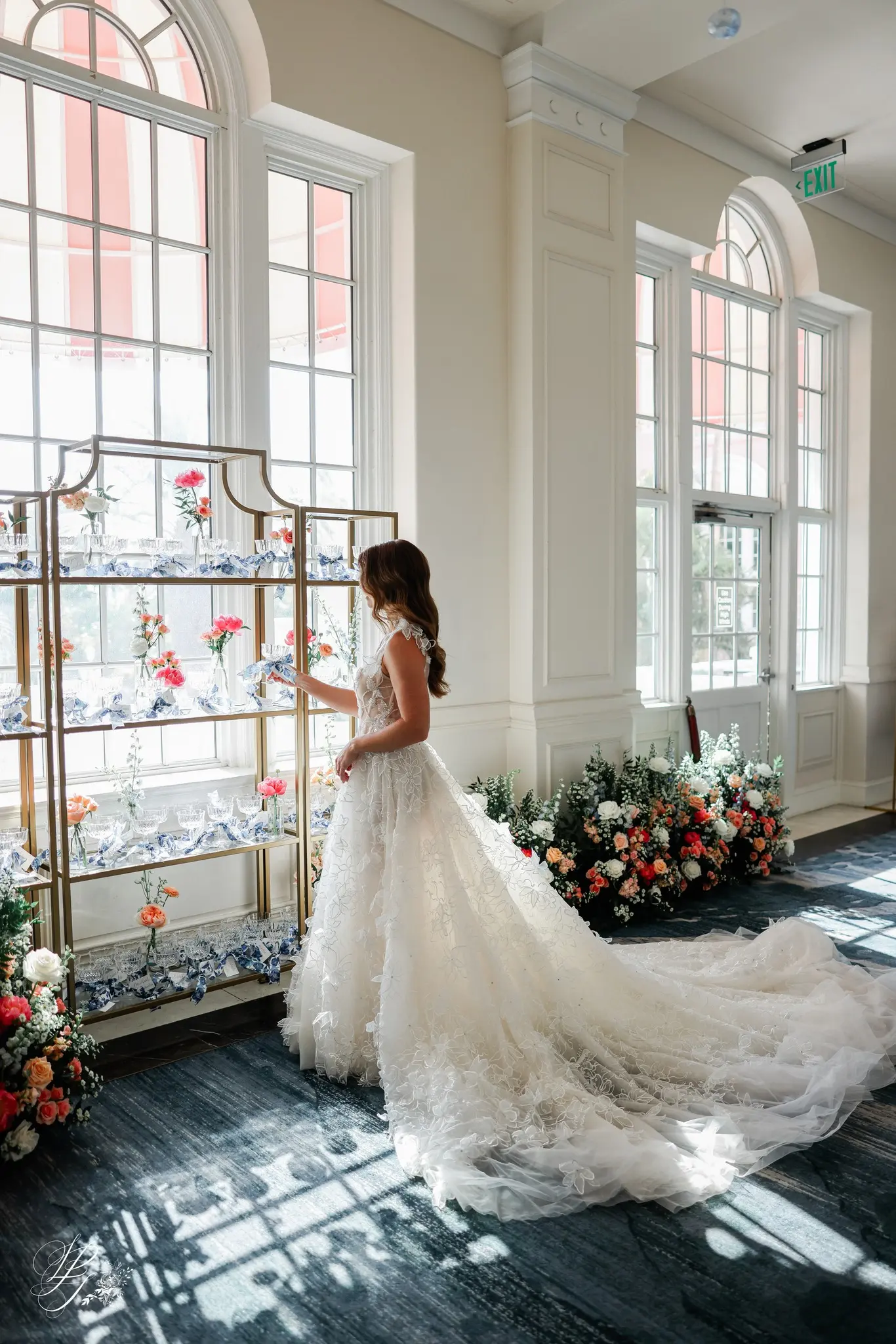
What Does a Wedding Planner Do That a Venue Coordinator Does Not?
“A wedding planner will attend vendor meetings with you and ask the right questions. They review your vendor contracts for errors or potential problems and will check for proper times, make sure that there are no important requirements that need to be fulfilled in advance of the wedding, and remind you when final payments and information are due to each vendor. We create extensive timelines by reaching out to all vendors and collecting times needed from each vendor, discussing with your photographer the time needed to capture the photos requested, making sure sound checks are done on time, and that all of your wedding party knows where and when to be on all of your wedding weekend events. Planners have reputable backup vendors to contact in case of a problem and often know if there is a potential problem in advance because we have already researched and communicated with vendors in advance. We can also assist you with invitations and stationery etiquette. The best wedding planners will work with you as if you are the only couple they have, give you the time that you need, and work around your hours, versus only when the venue is open.” -Tammy Waterman, Special Moments Event Planning
“From the moment we start working together, a wedding planner is in your corner. We begin by establishing a realistic budget so that your vision stays aligned with what you’re actually working with financially. From there, we research and present vendor options — photographers, florists, caterers, bands, transportation — so you’re not spending hours on Google trying to figure out who’s reputable and who isn’t. Once you’ve made your selections, we review every contract before you sign anything. This is one of the most overlooked parts of the process, and it matters more than most couples realize. When we get closer to your date, we build out a master timeline and make sure every single vendor on your team knows exactly where to be and when. On the wedding day itself, we are the first ones on-site and the last ones to leave. That means the setup is handled, the details are checked, and at the end of the night, everything is broken down and the venue is left exactly the way we found it.” -Jessica Ralph, Parties A’ La Carte
“Planners start from the very beginning, creating a budget, a planning calendar, securing proposals and contracts from all vendors, attending calls and meetings with all vendors, and we get involved in design, logistics, and preparing timelines that include every detail and all vendors. A planner’s involvement spans the entirety of the event, while the venue coordinator is again only responsible for the venue.” -Karen Cerboni, EventFull Weddings
“We make sure that everyone is showing up on time, setting up according to the floor plan, and answering any and all the questions that come up on a wedding day. We are normally asked for our opinion on where things should be placed, and always come up with plans when things go wrong. We are the voice of the couple, whereas a venue coordinator does not make these decisions. We are also there to make sure that the couple gets down the aisle on time, that everyone is cued for toasts or dances, that your vendors are being fed at appropriate times, and that everyone is on the same page the entire wedding day. Lastly, we also work with the couple at least a month before and sometimes a year before, depending on the package they choose. We do your timeline, confirm your vendors, run your rehearsal, and know so much about your wedding day beforehand.” -Delaney Driver, Wilder Mind Events
“Wedding planners are there throughout the entire planning process as an advocate for the couple, assisting with a budget, vendor referrals, design guidance, and advice. Your wedding planner has chatted with you and your vendors about what you imagined for your special day, as well as how you would like everything set up to make for a seamless day.” – Lauren Gertz, MDP Events
“A wedding planner is much more hands-on, especially leading up to the wedding date. They connect with the vendors prior to the wedding and make sure the timelines for all vendors match and coordinate. As a photographer, I know what I need to do, and at what time, but without a wedding planner, I have no way of confirming things with the makeup artist, the officiant, etc.” -Amber McWhorter, Amber McWhorter Photography
“A wedding planner takes on responsibilities that go far beyond what a venue coordinator provides. While a venue coordinator focuses solely on the venue itself, managing the space, staff, and logistics tied to that location, a wedding planner oversees the entire event. This includes sourcing and communicating with vendors, creating and managing a detailed timeline, coordinating the rehearsal, and ensuring every element comes together seamlessly. A planner acts as your advocate and point of contact throughout the entire process, not just on the wedding day.” -Melanie Eubanks, Lemon Drops Weddings & Events
Since We Have A Venue Coordinator, Do I Need a Planner?
“A professional wedding planner looks at the big picture. We work with the couple to break down their entire wedding budget based on their preferences and needs. The venue, catering, and rooms may be part of that, but it extends to more than a dozen planning areas. Too many times, a venue coordinator makes referrals to other vendors based on their experiences with them on-site. Venue coordinators don’t take the time to look at vendors who fit the couple’s budget or personality, as most are swamped with the volume of clients and don’t have the time or resources to research the best vendors for each couple’s needs. Additionally, if your wedding ceremony isn’t at the venue, it usually doesn’t involve the venue coordinator. The same is likely to apply to getting ready or room blocks; the venue coordinator only handles what happens at their location. A lot of essential services and moving parts of a wedding day can happen before you arrive at the wedding venue, and a professional wedding planner is there to oversee those pieces.” -Tammy Waterman, Special Moments Event Planning
“A venue coordinator is there to make sure the venue runs smoothly — full stop. They ensure the space is prepped and ready for the other vendors to come in and work. If your venue is providing tables, linens, or any other inventory items, the coordinator confirms that those are in place and that their internal team knows what’s being used. They’re also your point of contact for anything food- and beverage-related that runs through the venue — catering timelines, bar setup, kitchen logistics. That’s their lane, and most good venue coordinators do it very well. What they are not responsible for is your overall planning process, your outside vendor relationships, or making sure your day runs according to your vision. That’s not a criticism — it’s simply not their job.” -Jessica Ralph, Parties A’ La Carte
“Wedding planners are a constant support system and organize all timing for the logistics as well as the vendor deliveries, set-ups, and breakdowns! Lots of times, the couple brings all of their personal items like framed photos, signage, cake knife and server, guest book, printed materials, and day of customized items, but their family or wedding party has to set it up themselves. This is when a wedding planner would come in to manage all of these details. We typically will collect these items the day before at the rehearsal to make sure the couple doesn’t have to worry about anything at all on the day of!” -Lauren Gertz, MDP Events
“A planner, unlike a venue coordinator, will help the couple with all aspects of the wedding, not just the venue. We assist with the sourcing of all vendors, have direct communications with those vendors, and help couples make the numerous decisions that go into planning and executing a wedding. If you want expert help and you don’t want to worry about any of the details on your wedding day, then the bottom line is you need a planner.” -Karen Cerboni, EventFull Weddings
“Yes! There are so many times I have worked with a venue coordinator, and usually they just are not as qualified for all aspects of a wedding, like a legit wedding planner is. A wedding planner makes sure that everything is happening when it needs to, and if something isn’t, they take charge immediately to get it done. A coordinator will be present at certain times, but not like a planner,” -Amber McWhorter, Amber McWhorter Photography
Discover Tampa Bay’s Top Wedding Venues
Plus receive special Marry Me Tampa Bay reader promos
Your Venue Coordinator May Leave Before the Wedding Day is Over
“Venue coordinators are there to ensure that the venue is running smoothly. If it’s at a venue that provides catering/bar service, then they are also overseeing this. They are there to unlock the buildings, make sure the tables and chairs are set up (if they provide this), and make sure the kitchen is running smoothly for dinner. Many venue coordinators will leave once the dinner service is over. A wedding planner is there from start to finish on the wedding day. We arrive when the first vendor walks through the door, and we are there until the end of the night when the last vendor leaves.” -Delaney Driver, Wilder Mind Events
“If you’re relying solely on a venue coordinator, there’s a good chance no one is overseeing the event once the ceremony concludes. After dinner service begins, venue coordinators typically step away, and the reception is transitioned to the banquet manager. A wedding planner, however, remains present from start to finish, ensuring every detail is handled and any issues are addressed as they arise.” -Melanie Eubanks, Lemon Drops Weddings & Events
“If you are having an exit, a last dance, or anything else that needs coordination after the ceremony, you will want to have a wedding planner. There is often a team, and someone from the wedding planning company will be there to take care of things, causing zero stress for the couple. More often than not, coordinators leave soon after dinner service,” -Amber McWhorter, Amber McWhorter Photography
Your Venue Coordinator Could Change During Planning…Multiple Times
“A wedding planner will be by your side throughout the entire planning process, providing consistency and support. Unlike venue coordinators, who may change roles, get promoted, or leave before your big day, a planner stays with you from start to finish. In fact, I’ve worked with couples who had three different venue coordinators in a single year, which can create significant stress as details get lost in translation. This is exactly why a wedding planner is invaluable—because we know your wedding inside and out. We act as a constant, guiding you through every step and ensuring smooth communication, even when multiple staff members come and go. With a planner, you won’t have to worry about disruptions—just enjoy the journey!” -Delaney Driver, WilderMind Events
“Unfortunately, as many couples saw during COVID-19, venues furloughed many of their employees. This left couples with no one to answer their questions, or couples were shifted to someone who knew nothing about their wedding. Professional wedding planners are there to advocate for our clients and help them navigate the issues they encounter. Many venues are still running short-staffed or have people covering roles they are not completely familiar with. In general, a wedding venue can change coordinators multiple times over the time a couple is planning their wedding. Unless all of the details discussed with each coordinator make it into the couple’s permanent file, they don’t get passed on. Working with a professional wedding planner ensures that all the details get followed up on, whether they are from a venue or any of the dozen wedding vendors the couple will work with.” -Tammy Waterman, Special Moments Event Planning
“Venues often experience high staff turnover, which means your venue coordinator may change, sometimes more than once, throughout your planning process. A wedding planner you personally hire, however, remains a consistent presence guiding you every step of the way and staying by your side from start to finish.” -Melanie Eubanks, Lemon Drops Weddings & Events